The Ballad of Musk's Twitter
Lose billions of dollars with this one weird trick doctors will NOT tell you about!
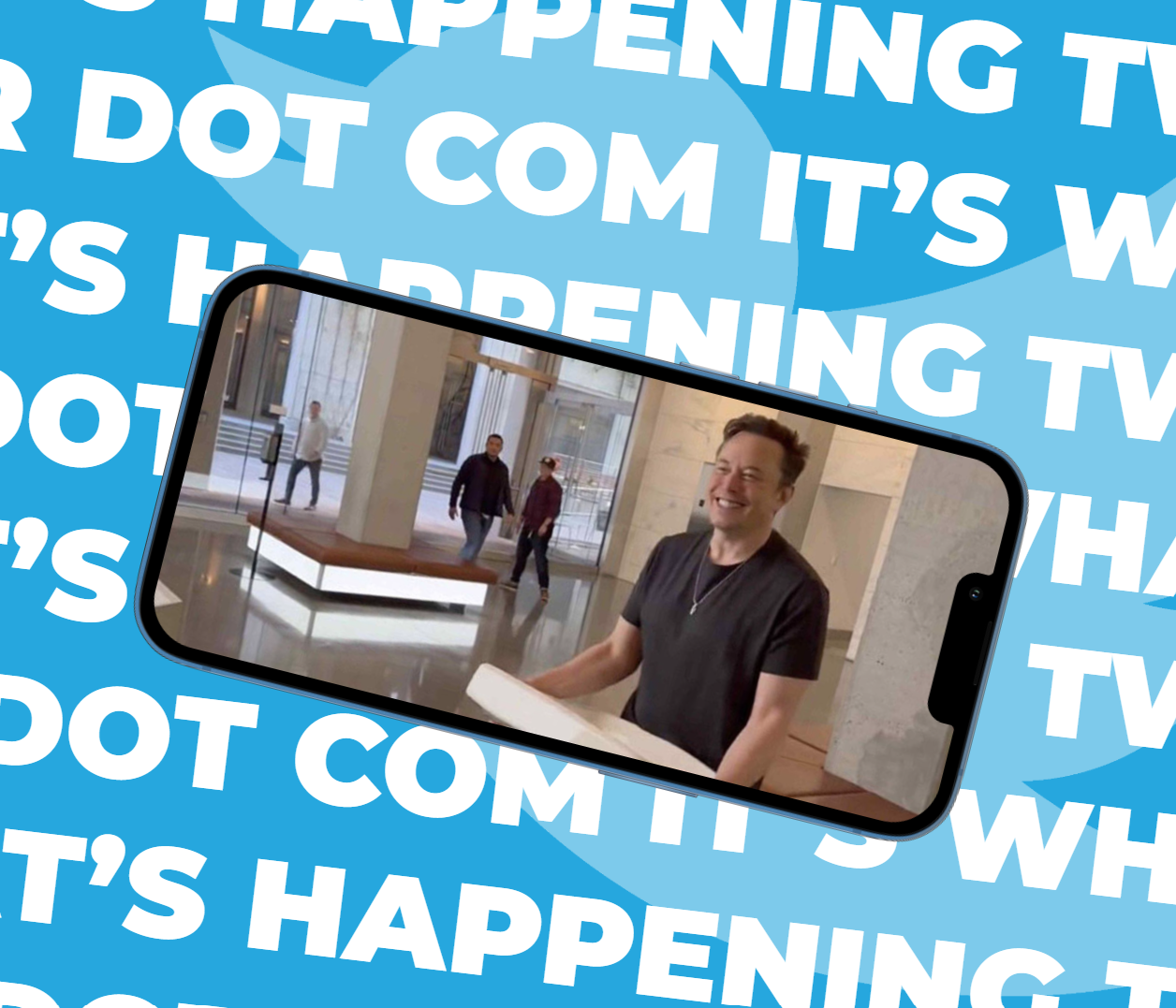
Table of contents
"Entering Twitter HQ - let that sink in!"
This was the first tweet then-CEO Elon Musk made after being named the head of Twitter. 108 days later, Elon has officially stepped down as CEO of Twitter, surprising many who thought that his departure would come much later. His exit marks the end of a chaotic few months at Twitter HQ, with issues and problems dominating their workload.
Bombshells like the so-called “Twitter Files”, cybersecurity risks, declining engagement, staff upheaval, bots (Elon’s favourite), spam, and misinformation loomed over the company during this period. Musk's billion-dollar acquisition both exposed and amplified the rot which had grown inside Twitter over the years, while also simultaneously destabilizing the company's finances and public image, painting a bleak picture for the health of the company ahead.
So what the hell happened?
just setting up my twttr
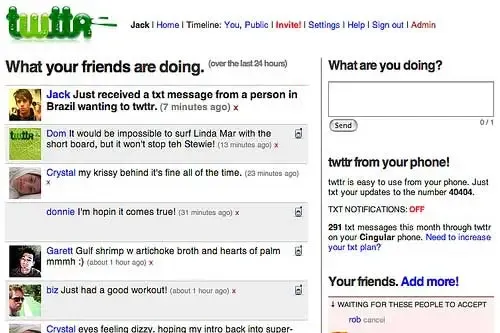
First, the basics. Twitter is a social media company started by Jack Dorsey, Noah Glass, Biz Stone, and Evan Williams in March 2006 and was launched that July, quickly becoming a global mainstay in the eye of the public. Twitter has gone through phases of growth, experimentation, and controversy, but has generally been the same since its inception; a place for short, public updates.
That’s where things went wrong.
After going public in November 2013, the company began to show signs of slowing down. In February 2014, Twitter’s stock tanked 24% and lost $8.7 billion dollars after weak user growth reports. 2015 brought little improvement in terms of their stock price. In the early weeks of 2015, Twitter stock dropped 40 percent.
Much of the investor scare was brought on by weak advertising potential, but also a stagnation of the platform among normal people. While Twitter by this time had plenty of influence in the global sphere, much of the userbase were just “influencers talking to each other.”
This is all while rivals such as Google, Facebook, and LinkedIn were shooting for the moon, posting record growth numbers. Twitter’s blackball reputation continued until 2017, when it appeared its finances and revenue were slowly ticking up.
Unfortunately, this didn’t last long. The following year, Jack Dorsey and Facebook’s then-operating chief Sheryl Sandberg testified before the Senate Intelligence Committee about alleged interference by Russia-linked actors in the 2016 election.
This was also the year when Trump supporters became increasingly more outspoken about apparent political bias. The next few years were also dotted with Twitter mishaps, including COVID-19 misinformation, numerous security breaches, and ‘incidents’ with world leaders (see Donald Trump).
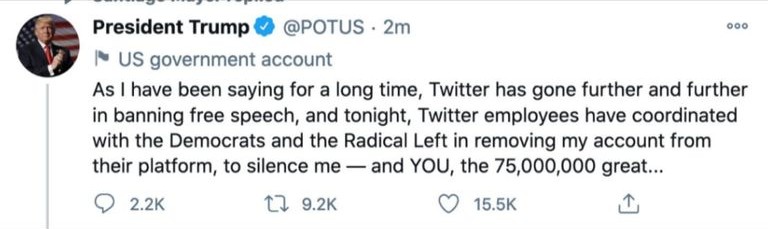
In 2021, Jack Dorsey unexpectedly stepped down, and Parag Agrawal, the company’s chief technology officer, became the new CEO. That same year, Trump would say that Twitter workers “coordinated with the Democrats and the Radical Left in removing my account from their platform, to silence me.” By this point, Twitter had grown synonymous with stagnation on Wall Street, and controversy with users.
“the master at baiting”
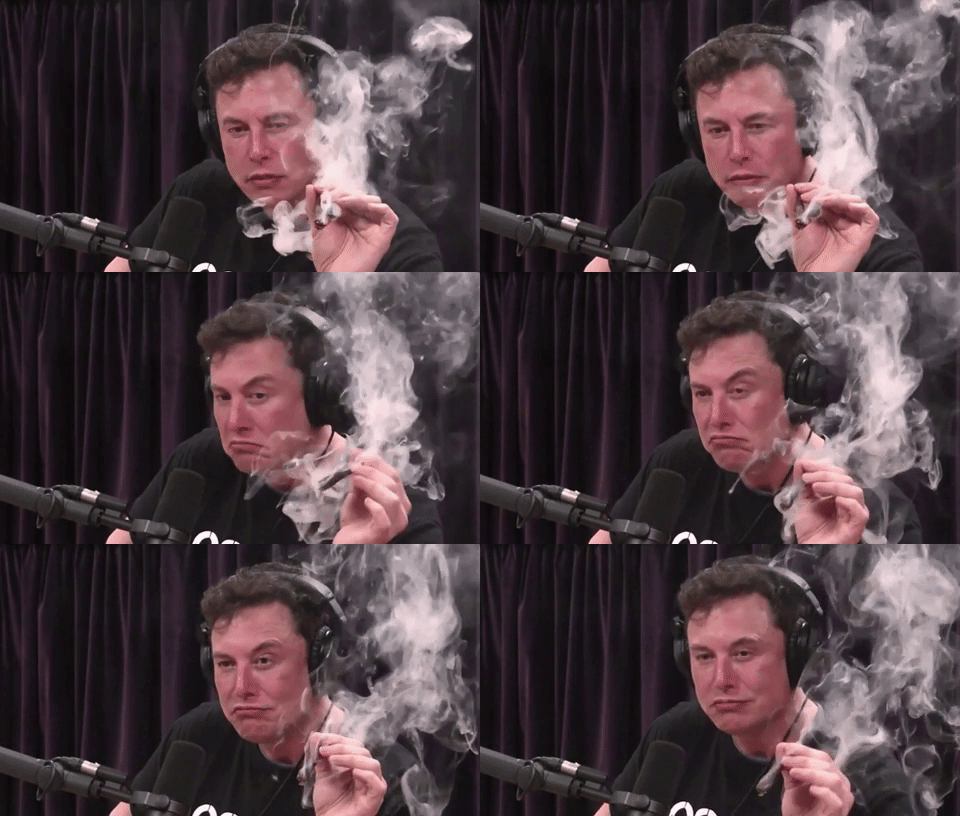
It’s now time for the main character, the one and only, meme god, Elon Musk!!1!!1!!
Jokes aside, it’s hard not to be impressed with Elon’s track record. He's the CEO of SpaceX, Tesla, and the Boring Company, and cofounded PayPal, Neuralink and OpenAI. His technical ambition and public persona have made him one of the most influential, but also one of the most polarizing, individuals in the world.
Back on Twitter, his public image is… controversial. He’s been criticized for making unscientific and misleading statements, including spreading COVID-19 misinformation, as well as a whole host of personal attacks over the years (see Thai cave “pedo guy”). So then, why would someone like this buy Twitter?
On October 27, Musk tweeted that he purchased Twitter “to help humanity, whom I love”. While framed by Elon as altruistic, he’s shown a clear personal interest in control of the platform, discounting the claims that he did this “for the money”.
In 2017, a short conversation with a Twitter user lead him to ask “How much is [Twitter]?” Although likely meant as a joke, it does show how Musk had taken notice of the idea of purchasing Twitter much earlier than his actions made out to be. But Musk’s fascination with the platform was not purely “for the lolz”, but also ideological. His purchase of Twitter would revolve largely around one issue: how the platform moderated speech.
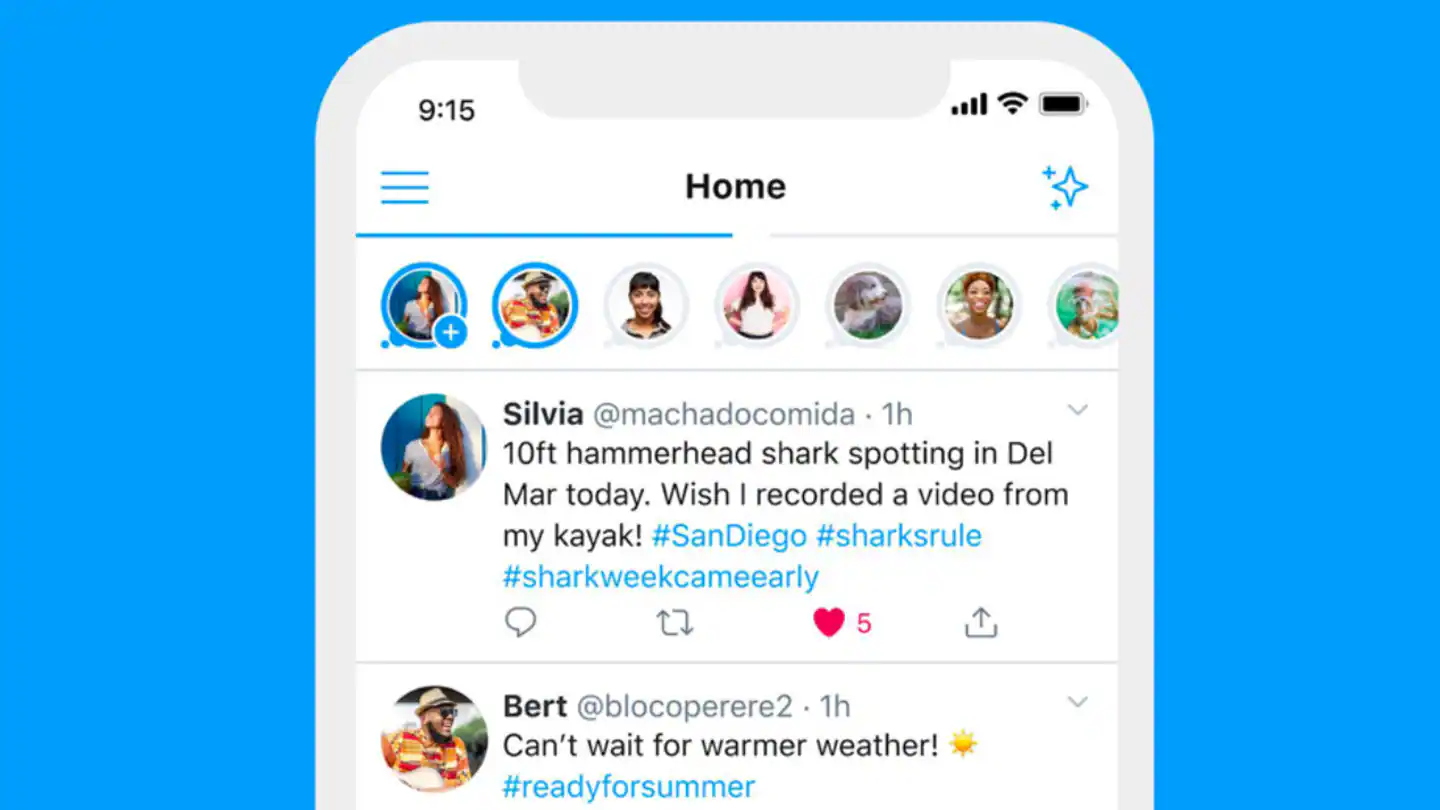
Moderation for Twitter had long been inconsistent, even before Elon’s takeover. Prior to being bought out, the company had problems with moderation, particularly with rampant misinformation, harassment, and policy enforcement. A prime example was Twitter Fleets, an Instagram Stories-like feature introduced in 2020, and canned less than a year after launch.
However, while the feature was still active, it presented new ways for platform abuse. Misinformation could be spread by bypassing filters through distributing messages across multiple posts. Fleets are often posted in a sequence, so an individual post could lack broader context. For instance, a problematic post could be broken into a chain of single word posts, evading moderation, and propagating misinformation and hatred to readers.
Harassment flourished through the feature too. By using Fleets, users could message other users they’ve talked with before, even if their messages are turned off. This effectively defeated the purpose of blocking, allowing users to contact people who had explicitly attempted to avoid them.
However, one could argue Fleets represented a failed product feature, rather than an indication of any systemic problems. After all, why else would it be removed? Even without Fleets, A prominent example was the 2020 US Presidential election. In the days leading to the final count, Twitter was swarming with conspiracy theorists claiming how the election was “stolen” and “rigged”.
To combat this, Twitter and later Facebook flagged these posts as “disputed and might be misleading”. Although these tags signaled moderation was occurring, there’s little evidence that made a difference for the users. This also meant that blatant misinformation stayed on the platform. Moreover, labeling specific posts can unintentionally imply that unlabeled posts are accurate.
“Here we go!! 🍿🍿”
And then, there are... the Twitter Files. A mass of internal Twitter documents left behind by exiting Twitter leadership that are supposed to show Twitter engaging in anti-right policies. Presented by journalists Bari Weiss, Matt Taibbi, and Michael Shellenberger, the 6-installment epic demonstrates how Twitter “drew arbitrary lines about what’s fake and what’s real”.
They allege that Twitter shadowbanned, blacklisted and banned right-leaning users for what they considered overstepping Twitter’s moderation policies. Cited affected users include conservative activist Charlie Kirk, right-wing talk show host Dan Bogino, Andrew Anglin, a self-professed white supremacist who founded the neo-Nazi website The Daily Stormer, Patrick Casey, who is associated with the far-right group “America First” and the Jan 6th riots, and former US president Donald Trump. Evidence that Twitter functioned as some kind of authoritarian tyrant on free speech.
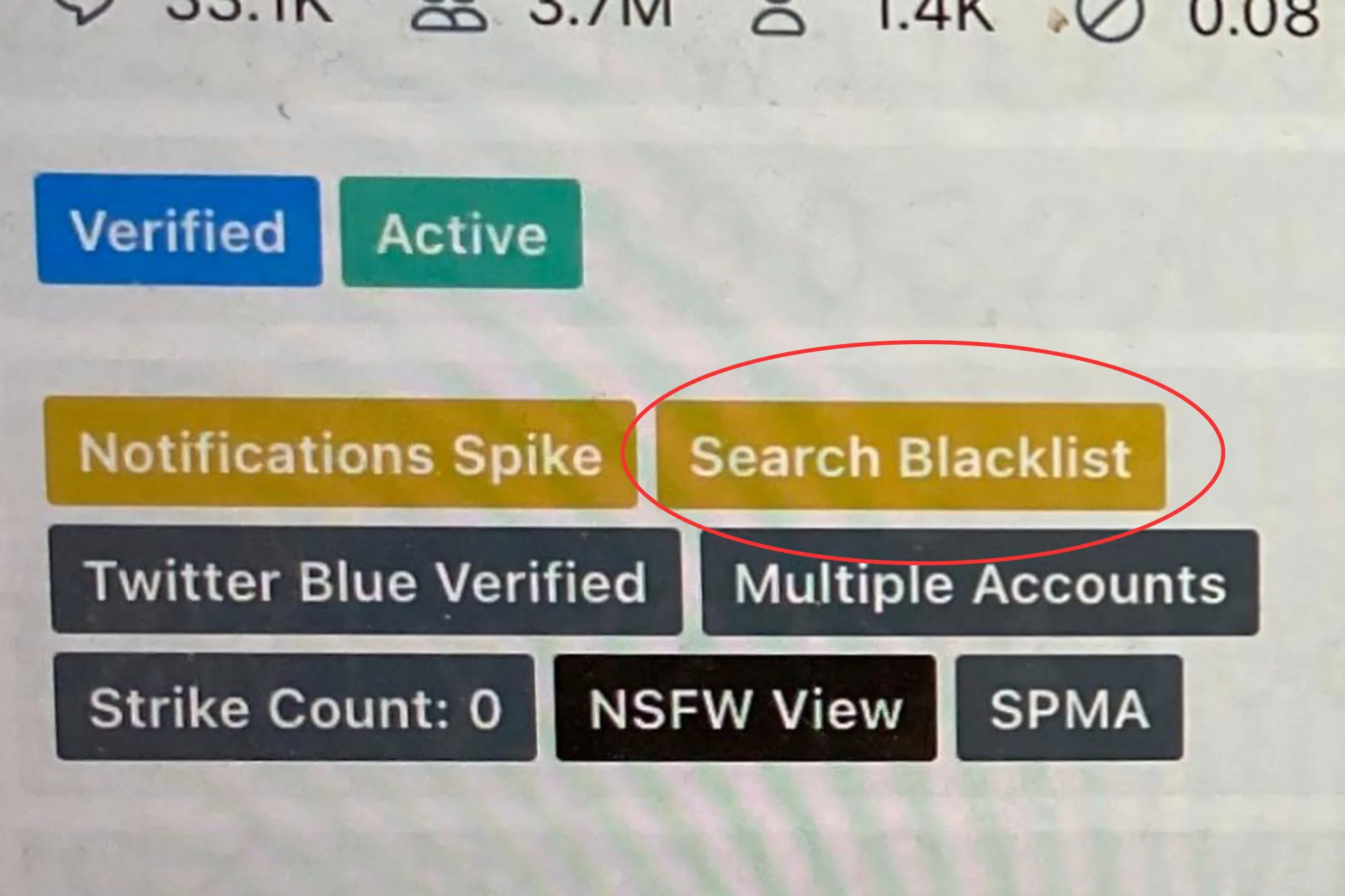
Twitter’s reach extended past individual accounts too. The files purported to show evidence of internal tools to “do not amplify” and “blacklist” entire topics and conversations, further tightening moderation grip on platform expression. Moreover, the exposé alleges a connection between the US government and Twitter.
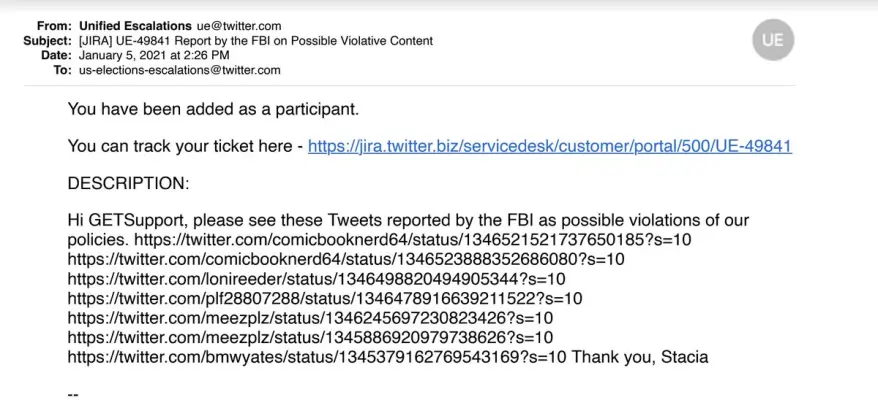
For example, included in the files are images depicting Twitter’s relationships with the FBI and other governmental organizations, ranging from Slack conversations to Emails from the FBI asking them to terminate specific accounts, which Twitter sometimes acted on.
Finally, one of the most explosive parts of the files; the Hunter Biden laptop. The files claim that the sharing of the New York Post on the laptop was restricted, with the writers arguing the documents showed uncertainty about the justification for blocking the story, as well as inconsistent policies being applied throughout the situation.
At first glance, the files paint Twitter as a politically based apparatus meant to stifle the speech of conservatives and serve the government. However, on closer inspection, the files suggested a much more complicated reality. Rather than showing how Twitter was 'anti-right', it serves to show how Twitter actually handled prominent right-leaning accounts with caution and gave the benefit of the doubt whenever possible.
Take, for example, Chaya "Libs of TikTok" Raichik. Suspended from Twitter 7 times, she highlighted specific events, individuals, and institutions with extremely inflammatory language and falsely alleging pedophila. However, the document instead focuses on how her 7th suspension didn’t technically violate the Twitter guidelines. Taken as a whole, the files appear less like evidence of systemic bias and more like a carefully curated set of moderational actions.
An Eye For An Eye…
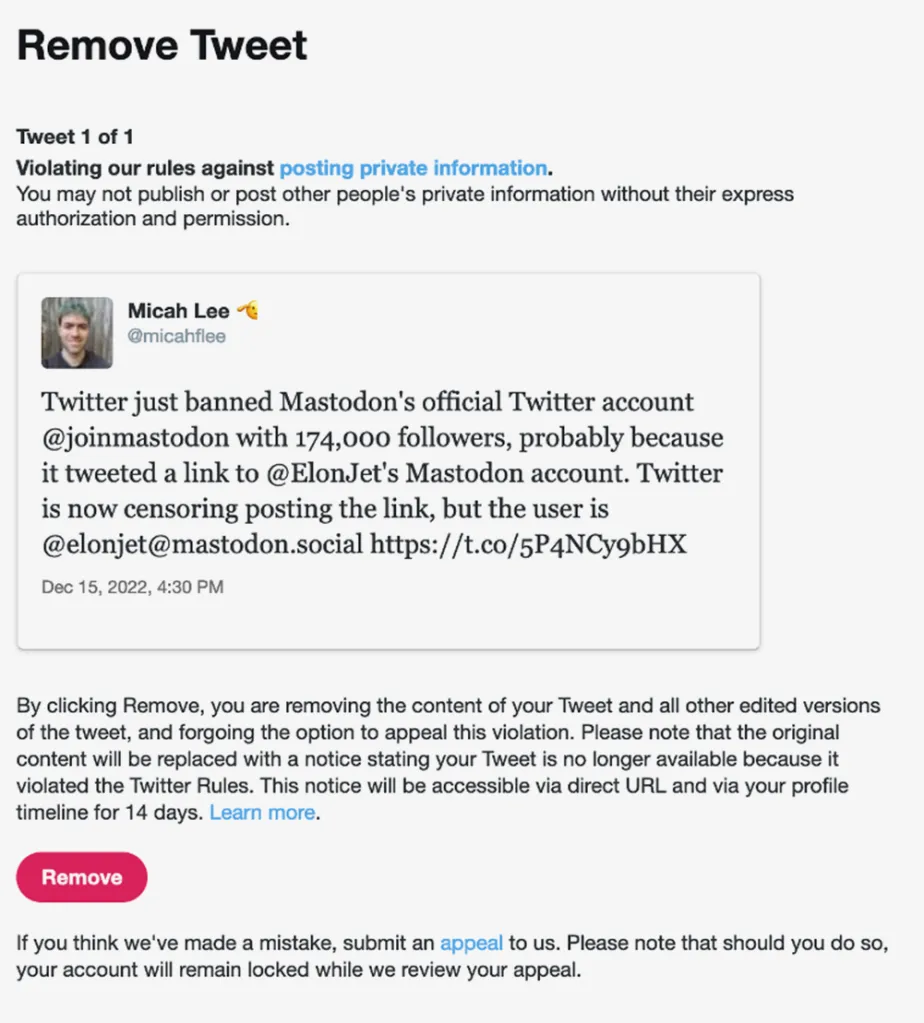
There’s also evidence that Musk himself is repeating much of the same bias, only with the left. As the sole owner of Twitter, he has the power to personally ban accounts as he wishes. He's taken advantage of this, as seen many times in his interactions with Andy Ngo, a far-right writer. Musk directly asked him to report Anti-fascist accounts directly to him to later be terminated.
Elon has also personally suspended left-leaning accounts, some of which were reinstated later without explanation. Although none of the bans can be explained by Twitter’s Terms of Service, at least 2 of them recently criticized Elon. These personal interventions raised concerns that the platform was being increasingly run on “Musk’s word”, as opposed to any kind of real guidelines.
Elon’s also tried to influence Twitter politically. On November 7, 2022, he tweeted “I recommend voting for a Republican congress, given that the presidency is democratic.” A few months prior Elon argued that “For Twitter to deserve public trust, it must be politically neutral [...]”. Meanwhile, Twitter’s structure for moderation has fractured under Musk’s rule.
Take, for example, the 2022 Brazilian election between the center-left candidate Luiz Inácio Lula da Silva, and far-right candidate Jair Bolsonaro. Observers and activists had warned for months that Bolsonaro’s supporters may not accept the results of the election should he lose, and could resort to violence, much like the 2020 US election. During this period, Twitter laid off the entirety of their Brazil team. Even though Lula was declared the winner, tweets claiming it was rigged still regularly popped up.
When Elon got a hold of Twitter, rapid changes were made, such as laying off a large portion of the staff at Twitter, pushing for more ads on videos, and the infamous Twitter Blue. The premium version of Twitter, which originally allowed the ability to edit tweets, now also granted subscribers the Twitter verification checkmark, previously reserved for “authentic, notable, and active accounts”. This presented a multitude of problems, the most apparent being impersonation.
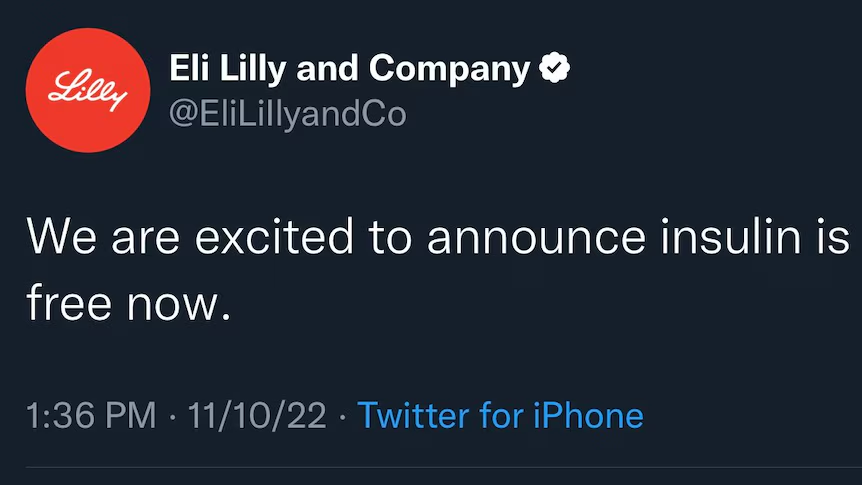
In November, a user impersonating pharmaceutical company Eli Lily under the handle @EliLillyandCo tweeted out a message, saying: “We are excited to announce insulin is free now.” Because the account had the blue verification checkmark, it appeared to be legitimate, garnering over than 1,500 retweets and 11,000 likes in just a few hours, and triggering a stock selloff at the real Eli Lily [NYSE: LLY].
The reporting system at Twitter had broken down as well. Many of the people fired by Musk were those from departments like Trust and Safety, policy, and civic integrity, all of which worked to keep disinformation and hate speech off the platform. Without staff there to regularly update the algorithms needed to deter hate speech, more and more of it will slip through the cracks, allowing them to potentially be amplified.
The final controversial action Elon Musk made was his stance on what “free speech” would mean on the new Twitter. On April 26, 2022, Elon Musk tweeted that “[by] ‘free speech,’ I simply mean that which matches the law. I am against censorship that goes far beyond the law.”
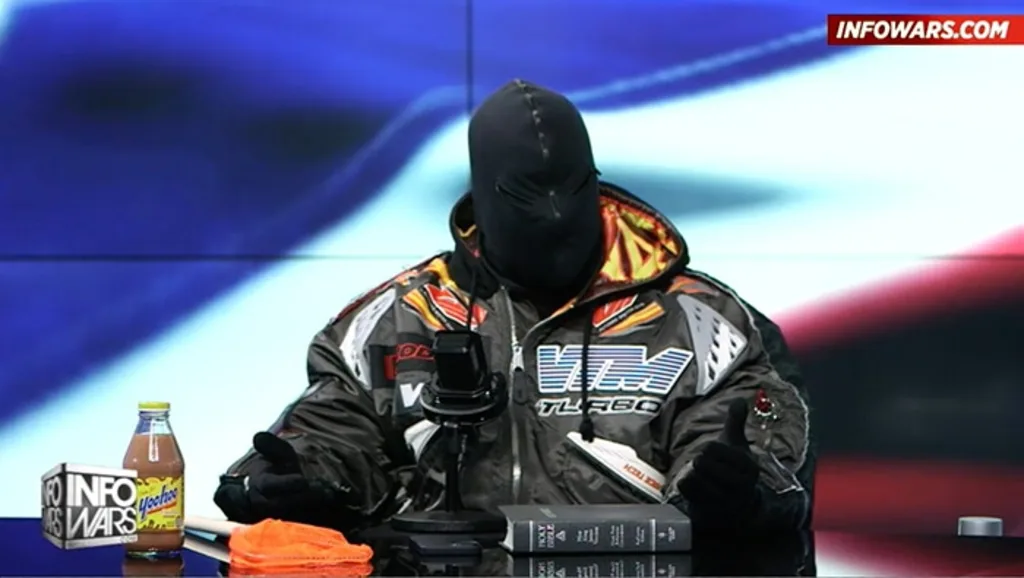
A few months later, Kanye West would post an image of a Swastika embedded within a Star of David, an important religious symbol of the Jewish religion. This was following a controversial interview with right-wing talk show host Alex Jones, where even Jones was taken aback by Kanye’s now-infamous statement, “Every human being has value that they brought to the table; especially Hitler!” Even though this speech is protected under US law (where Twitter is based), Elon Musk still suspended West shortly after. Before he was banned, Kanye posted a shirtless picture of Elon and suggested that this post would be his last on the site. Musk responded “That is fine,” to the tweet. In a reply to Kanye’s swastika image, Musk wrote, “This is not”, departing from his earlier statement on being ‘against censorship’.
Despite its controversy, Twitter is not solely defined by its failures. For many people, Twitter’s been a source of information and served as an online hub for millions to interact. Twitter data opens up new horizons for scientists and programmers, both as a rich data source in its own right and also as a way of gathering information from the public. However, what’s important to note is that most of these were developed, not by moves Twitter made, but by the community Twitter built over the years.
While the developers contributed to the infrastructure, Twitter is ultimately made up of its userbase.
A Triple Headed Dragon

At this stage, three pathways to untangling this quagmire remain.
The first, and most “conservative”, would be to side with Elon Musk. His supporters argue that he has singlehandedly saved Twitter and that his way of managing the site is the most efficient one, taking the platform back from the political homogeny Twitter was purported to have.
The second, more moderate perspective, argues that neither side would make Twitter a better place. Those with this view believe that while old Twitter’s moderation wasn’t perfect and leaned towards the left, the Musk leadership isn’t great either, and leans towards the right.
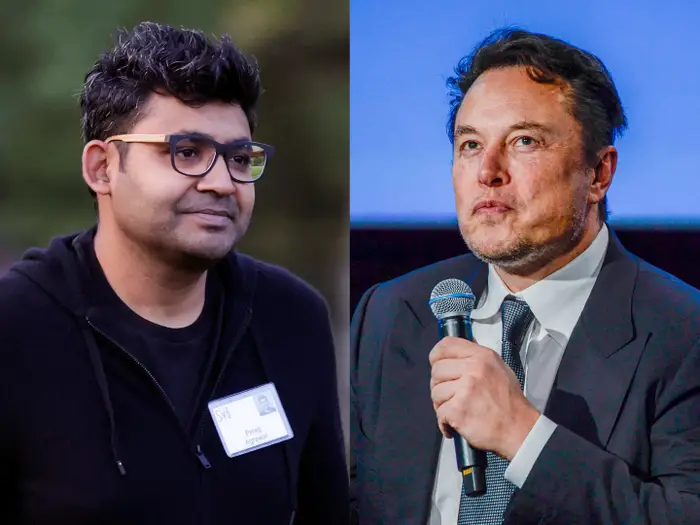
The final perspective would be to side with the previous Twitter leadership. Supporters of former CEO Parag Agrawal argue that Elon has singlehandedly destroyed Twitter and that the Twitter files were presented in a misleading and inflammatory manner, with no intention of truly “exposing” the inner workings of a company.
Of course, you can’t write a criticism without outlining some steps for improvement. One major issue is Twitter’s lack of precision in its moderation guidelines. Twitter needs to lay out explicit standards for what kinds of content are prohibited on its platform and making sure every user understands the rules, rather than relying on the opinions of individual moderators. Another issue Twitter has is its speed and range of its moderation. Solutions to this could include investing more in AI and human moderation teams, with the AI scouring the platform for inappropriate content, and human moderators making the final call.
However, AI and moderators can only go so far, as they both have limitations; algorithms can be circumvented, and human teams are constrained by scale. An approach to tackle this could be through fostering community participation by encouraging users to provide context on posts which could be potentially misinterpreted, and reporting posts where appropriate.
Lastly, Twitter needs transparency. Though many observers questioned the conclusions made from the Twitter Files, the episode highlighted just how much Twitter was hiding from its users in terms of moderation. Transparency could be implemented through regular reports and giving more specific reasons why someone was banned, as well as displaying this on the user’s profile.
In essence, Twitter needs to improve its moderation by establishing clear guidelines, investing more in AI and human moderation teams, increasing community involvement, and building transparency to create trust with users.
Hail Mary

Twitter’s current disarray cannot be attributed to a single leader or period in time. While Musk’s actions have certainly brought the company back into the spotlight, it can be argued that due to how the company was previously running, he was forced to take drastic measures, while critics argue his rapid layoffs and policy reversals have destabilized the platform rather than making it more ‘transparent’. Whether you agree with Elon, Parag, or somewhere in between, it’s clear that something had to change at Twitter.
It just remains to be seen whether Elon Musk will be able to fly this bird out of its tailspin.